Fox

RHS Advice Guide
Foxes are common in urban areas. For many gardeners they are welcome wildlife although they can sometimes damage plants and dig holes.


A young fox. Credit RHS/Mike Ballard.

Quick facts

Common name - Fox

1

Scientific name - Vulpes vulpes

2

Main symptoms - Excrement, urine smell, dug holes, chewed or 'stolen' items, and trampled plants

3

Most active - All year round

4

What is a fox?

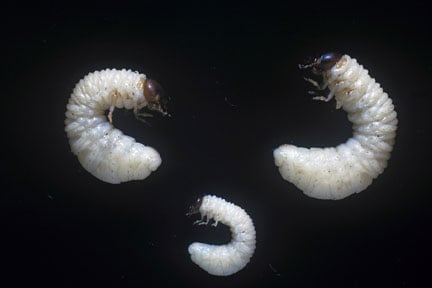
The European red fox is a forager and predator. It can have a very wide ranging diet, which may include birds and small mammals, as well as creatures such as earthworms and insects, including chafer grubs . They also eat fruits and scavenge discarded food.

Symptoms

How to tell if a fox has been active in your garden:

  • In many cases foxes go unnoticed or are welcome wildlife in gardens and they cause no damage
  • In some gardens foxes trample plants, eat ripening fruits, dig holes or leave droppings and food debris
  • A fox may dig up new plants, especially where bonemeal, dried blood or chicken pellet manure has been used. Foxes smell these materials and dig down searching for food
  • Foxes will hide excess food for future use, this can include burying chicken eggs they have found
  • Foxes also sometimes chew through plastic hosepipes and polythene tunnels
  • Dog foxes use their excrement and pungent urine as territorial markers, often leaving their droppings in prominent positions. If a garden forms the boundary between fox territories, it may be frequently marked in this way
  • Lawns that have chafer grubs feeding on the roots may be ripped up by foxes and badgers searching for the grubs during autumn to spring
  • Foxes can make loud screeching noises, especially during the winter mating season

Management

Information on living with foxes can be downloaded from the RSPCA .

  • Foxes largely need to be tolerated in gardens and can be considered part of the gardens support
  • It can be impossible to keep foxes out of gardens. Standard netting or fencing is unlikely to provide an effective barrier, as foxes are able to scramble over or dig underneath
  • In the absence of effective means of excluding urban foxes, it is a matter of tolerating their presence and dealing with any issues they cause. This may mean changes to the types of plant grown, with plants that can survive or are situated to avoid being trampled
  • Fertilisers other than bonemeal, dried blood or other animal-derived fertilisers should be used
  • Holes dug by foxes should be filled in promptly before they deepen, otherwise a den may be established
  • Where foxes are breeding in a den in a garden, activity is likely to increase considerably, particularly during early summer when there may be up to five fox cubs running around in the vicinity of the den
  • Relocating urban foxes to rural areas is not recommended, as suitable habitats in the countryside are likely to be already populated with foxes, against which the town animals will struggle to compete. It is highly likely that other foxes will quickly move in and take over a garden territory that has been vacated by the removal of the resident animals

Animal repellents and electronic devices

  • There are a wide range of animal repellent substances available for garden use. Proprietary repellent substances used against cats and wild animals need frequent applications to maintain their effect and in some cases appear to be ignored
  • Most electronic 'ultrasonic' scaring devices emit a high frequency sound when triggered by a motion sensor. Whilst often advertised as barely audible to human ears they are audible to children and young people and can be distressing
  • If used, these deterrents should be positioned away from neighbouring homes and areas used or passed by people (e.g. front gardens). As sound travels away from the device in the direction it is facing, speakers should be located and pointed away from dwellings and set out so that they are likely to only be triggered by the foxes
  • They should be switched off immediately if anyone can hear them or experiences discomfort as a result of the frequency of the sounds emitted
  • Best results are in open gardens where sound is not baffled by shrubs or fences, but this should be balanced with the points above
  • Although the scarers may be effective in the short term foxes are likely to become accustomed to the sound and lose their fear over time

Biology

Foxes are increasingly found in urban areas, often at higher densities than in rural regions. They generally lead solitary lives, except during the breeding season. Fox cubs are born in late March or April in dens, often under outbuildings, and begin exploring after four weeks, staying with their parents until mid to late summer before dispersing. Foxes typically live three to four years, though many young foxes are killed by vehicles. Like all animals foxes can suffer from a variety of diseases. If you find a dead or dying fox you can register and report it on the Garden Wildlife Health Website .


You may also like