Cats

RHS Advice Guide
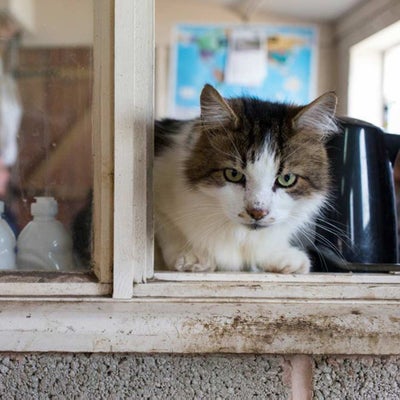
Cats are much-loved pets, but like many other creatures, they can use gardens as toilets and sometimes prey upon birds. However, they can also be useful in controlling rodent populations.


<i>Felis catus</i> (cat)

Quick facts

Common name - Cats

1

Scientific name - Felis catus

2

Areas affected - Flower beds and vegetable gardens

3

Main symptoms - Excrement left on the soil surface or partly buried, often with a pungent smell

4

Most active - All year round

5

What are cats?

Cats are felines. They are familiar pets that if allowed outdoors can roam freely through gardens. There is a wildcat, Felis silvestris, occurring in the Scottish highlands but this is a rare, woodland animal.

Problems

Where cats frequent gardens you will likely notice one or more of the following:

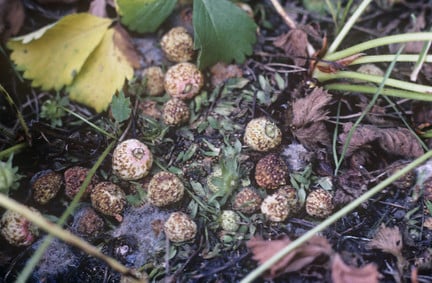
  • Holes are scraped in flower and vegetable beds to bury excrement but sometimes it is deposited on lawns or paths. It should not be confused with fox dung which often contains berries and is left in prominent positions
  • Tomcats scent-mark their territories by spraying urine, which can scorch foliage
  • Damage to the of trees and shrubs, caused by cats scratching, can be another form of territorial marking
  • Cats have a habit of sunbathing in inconvenient places, sometimes crushing plants in the process
  • Problems are often most severe in high-density housing areas, where cats are often numerous
  • Cats do hunt garden birds and small mammals including bats, although the effect they have on wildlife numbers is unclear. More information on cats and wildlife can be found from the RSPB and at the Bat Conservation Trust

Management

Cats roam freely through their territories and are too agile to be excluded by fencing or netting. However:
  • Netting may be effective in keeping cats away from small areas within the garden
  • Flower borders densely planted with perennials are less appealing as toilet areas – as there is no bare soil
  • Keep seed rows well watered as cats dislike wet soil, preferring loose, dry earth and
  • Use one or more of the cat deterrents on the market. They fall into two groups: repellents that are supposed to offend the cat's sense of smell or taste, and electronic scaring devices that produce a sound that may cause cats to move on or a motion sensor to release a spray of water. Neither type causes harm to animals
  • If you own a cat, correctly fit it with a collar and bell to reduce its hunting efficiency and save wildlife more information on how to stop cats catching birds from the RSPB

Repellents

  • Products include: pepper powder (e.g. Bayer Pepper Dust), plant oils (e.g. Vitax Scent-Off), aluminium ammonium sulphate (e.g. Cat-a-Pult, Growing Success Cat Repellent, Vitax Stay Off) and methyl-nonyl-ketone (e.g. Vapet Get Off). Such repellents can be washed off by rain and often give only short-term protection and need frequent re-application. Remove any cat excrement before use
  • A cat repellent plant, Plectranthus ornatus sold under the names of 'Scaredy Cat' or Coleus canina, is available from some garden centres or by mail order. The foliage produces an unpleasant smell when touched. This plant can be grown out of doors in the summer, but needs frost protection in winter. As with repellent substances some animals appear to ignore the smell

Electronic devices

  • Motion-sensitive water sprayers that connect to a hose pipe are also available. These are activated when any animal moves past the sensor, spraying the animal with water
  • Most electronic 'ultrasonic' cat scaring devices emit a high frequency sound when triggered by a motion sensor. Whilst often advertised as barely audible to human ears they are audible to children and young people and can be distressing
  • If used, 'ultrasonic' deterrents should be positioned away from neighbouring homes and areas used or passed by people (e.g. front gardens). As sound travels away from the device in the direction it is facing, speakers should be located and pointed away from dwellings and set out so that the only movement likely to trigger them is feline
  • Electronic devices should be switched off immediately if anyone can hear them or experiences discomfort as a result of the frequency of the sounds emitted
  • Best results are achieved in open gardens where sound is not baffled by shrubs or fences, but this should be balanced with the points above
  • Cat deterrents may not be uniformly effective; some cats flee when they come within range, while others, perhaps the more dominant local cats, hold their ground and carry on regardless
  • Cat deterrents can be purchased in garden centres or by mail order, they are often advertised in gardening magazines

You may also like